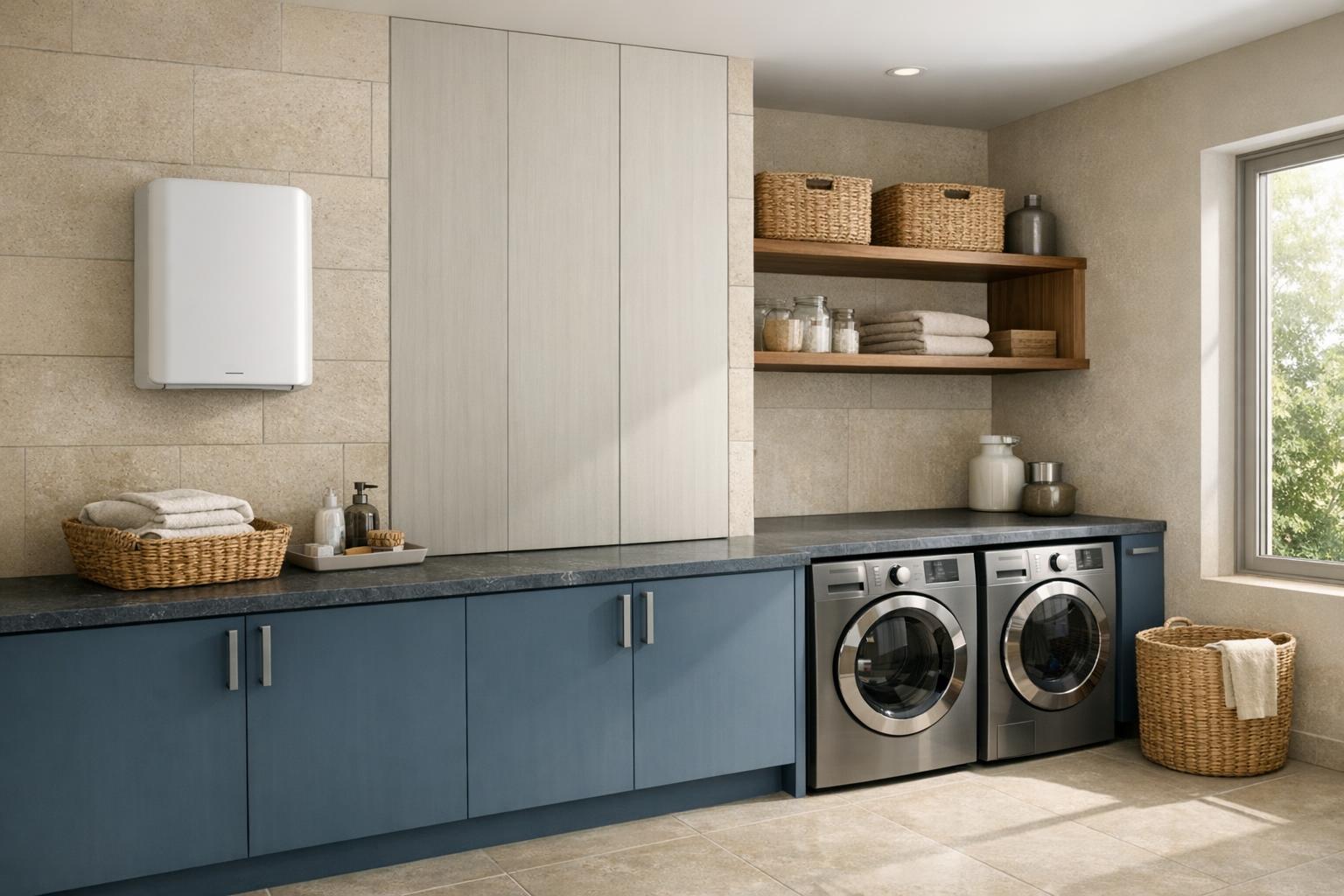
A point-of-use heater serves a localized demand, while a whole-house heater is selected for a broader combination of fixtures. These are different jobs, not merely small and large versions of the same buying decision. A remote sink that waits a long time for hot water may need a different solution from a household that runs out of simultaneous heating capacity. Define the problem first, then have a qualified professional evaluate the equipment and installation required to solve it.
Identify whether the problem is delay or capacity
A long wait at a distant tap can reflect the plumbing distance between heater and fixture. Changing to tankless equipment in the same distant location does not automatically remove that delay. By contrast, water cooling when additional fixtures open may involve insufficient heating capacity for the simultaneous demand, among other possible causes. Explain the observed behavior to a professional instead of assuming both symptoms call for the largest available heater.
The Department of Energy discusses demand heaters for whole-house and remote applications. Its sizing principle still requires a flow and temperature-rise target for the actual task. Our choosing guide starts with that demand description. A point-of-use proposal should explain which fixture or fixtures it serves and what supply conditions it expects. A whole-house proposal should identify the simultaneous combination it is designed to support. Neither label establishes that every use in that category will work.
Small equipment still needs exact specifications
A compact enclosure is not proof of ordinary plug-in operation, low installation complexity or suitability for every sink. Check the exact model's voltage, power and intended application. Also distinguish a small storage heater from a genuinely tankless model; both can be marketed for localized use, but they operate differently. Product photos alone may not make that distinction clear.
Have a qualified professional assess the actual installation, including the relevant plumbing and electrical requirements. We do not provide outlet, circuit or wiring instructions. Our electrical-requirements guide explains why voltage alone is not enough to establish compatibility. If the proposed unit is intended to receive preheated rather than cold water, or is part of a more complex arrangement, that must be supported by its manufacturer documentation and professional design. Do not infer permitted combinations from a seller's generic phrase such as booster or instant hot water.
Whole-house is a claim to verify, not a capacity unit
Whole-house does not specify a fixed number of showers or an all-season GPM guarantee. The required heating power depends on incoming water temperature, desired outlet conditions and simultaneous flow. A model suitable for modest demand in a warm region can be inadequate for a colder household with several fixtures running together. Read the manufacturer's chart for the exact model.
Our whole-house electric comparator groups complete 240 V units with stated power of at least 18 kW and captured review evidence. That is a clear inclusion rule, not a universal definition of sufficient power. The sizing guide explains how the heating calculation changes across inlet conditions. Likewise, gas units have finite capacity despite claims about continuous hot water. Ask the installer to identify what happens if demand exceeds the planned combination: a model may reduce flow or fail to maintain the intended temperature under an excessive load.
Compare a system solution rather than individual boxes
A localized heater may shorten the route to one fixture, but it introduces another appliance with its own installation and maintenance obligations. A central system may be simpler to service in one place, yet still need an appropriate strategy for distant fixtures. The right comparison includes plumbing layout, service access, energy use and the actual problem you are trying to solve.
Ask for a complete proposal rather than assuming that several small heaters necessarily cost less or use less energy than one larger heater. Similarly, do not assume recirculation equipment is included with a central heater or suitable for every installation. Our installation overview helps compare scope and responsibilities. Each component and arrangement must be supported by the manufacturer's instructions and assessed by qualified professionals. This guide intentionally gives no series-connection, bypass or control-wiring procedure; a conceptual buying distinction is not permission to improvise a system.
Keep expectations and ownership explicit
For a remote sink, state the desired flow and expected waiting experience in the professional discussion. For a whole home, state the simultaneous fixtures that matter and any acceptable scheduling compromise. Ask how winter inlet conditions change the result. The point is to agree on a realistic performance target before comparing reviews, features and prices.
Then compare the complete installed cost and service plan. More appliances mean more equipment documentation to retain and potentially more service locations to keep accessible. Our maintenance guide explains how to organize those obligations without imposing a universal service interval. The gas-versus-electric guide covers the broader fuel choice if the central system is also being reconsidered. Before purchasing any heater, confirm the exact model, intended application, current manufacturer documentation and professional approval. An online editorial score describes the evidence available for a listing, not whether a proposed point-of-use or whole-house arrangement is safe, permitted or adequate for your property.