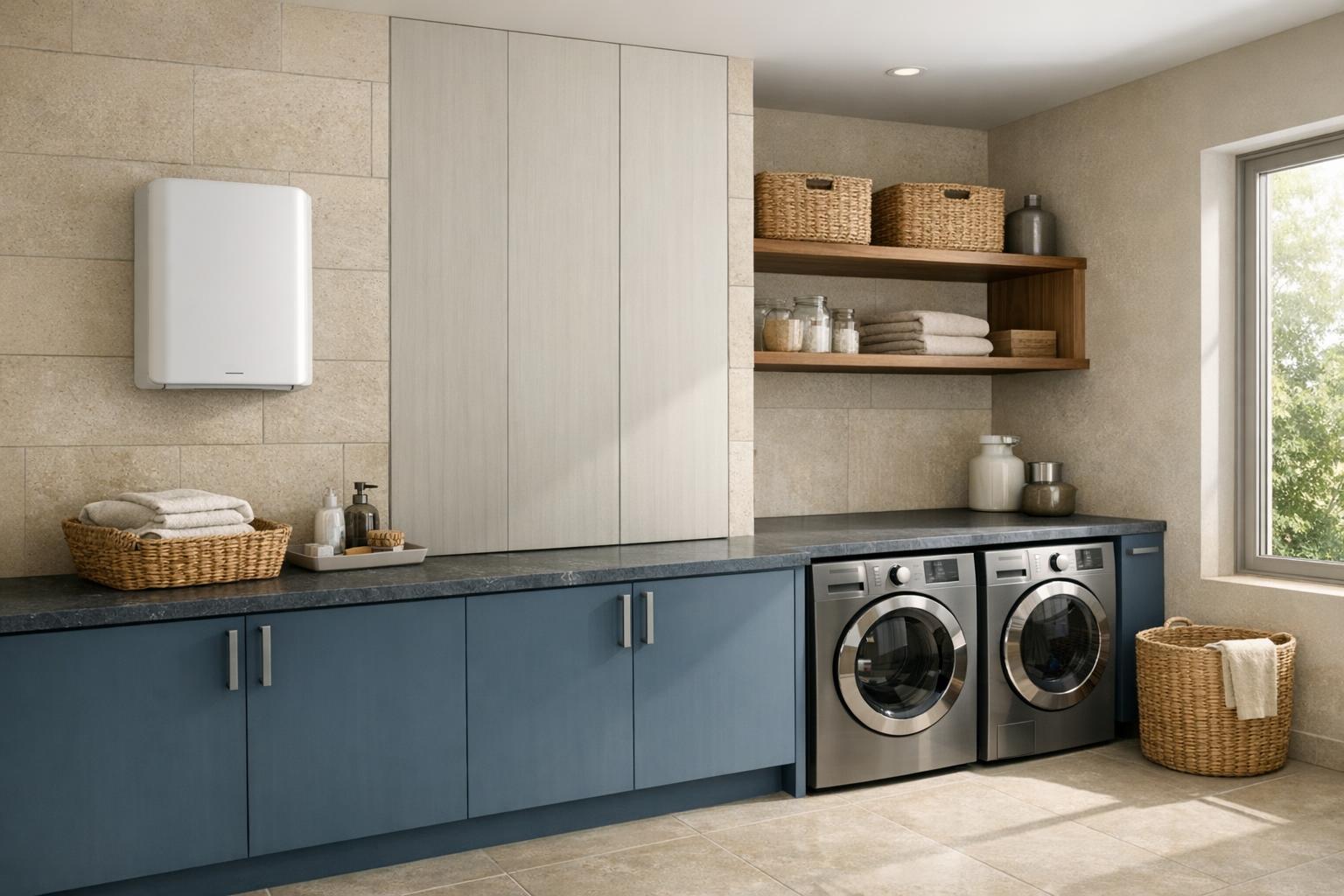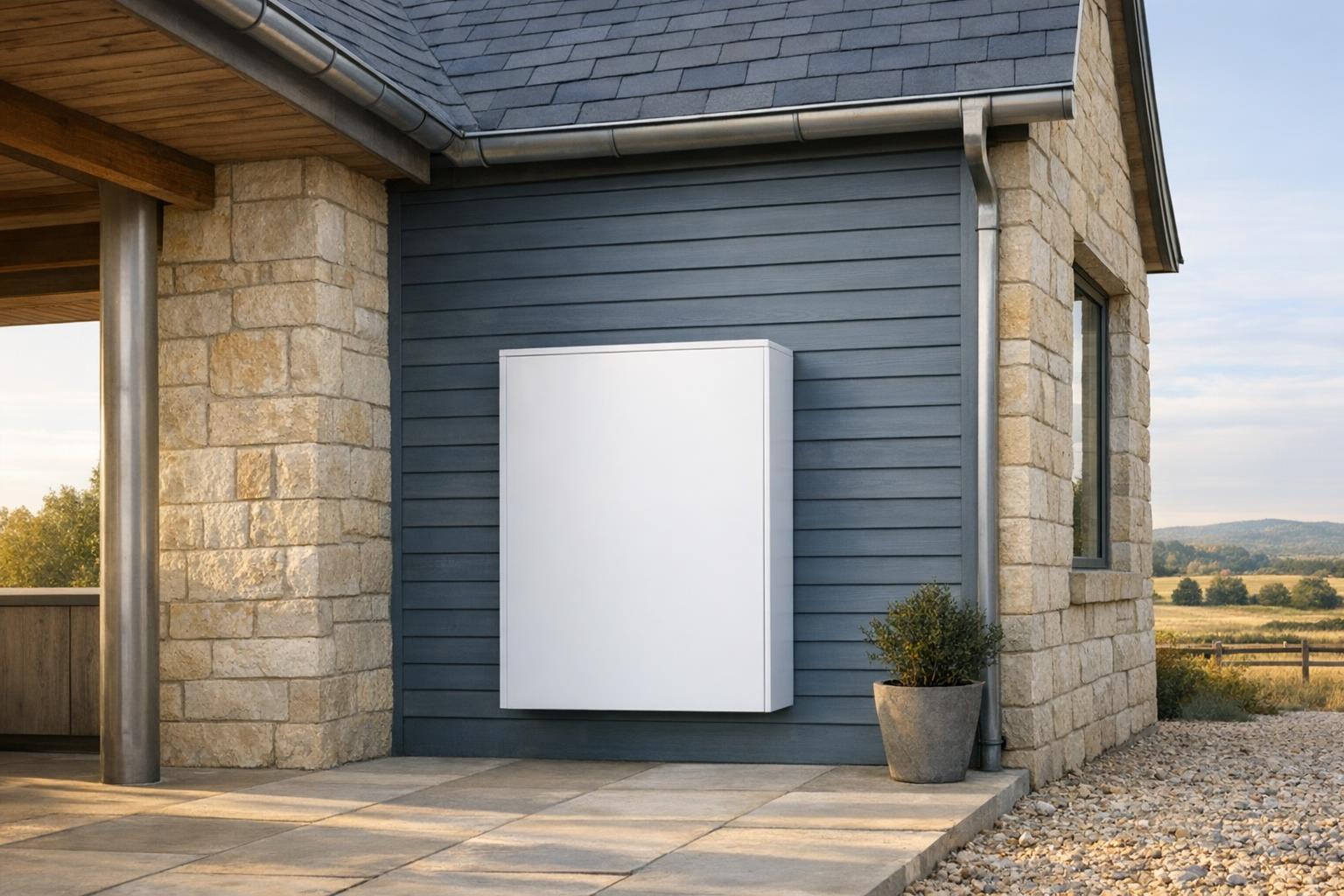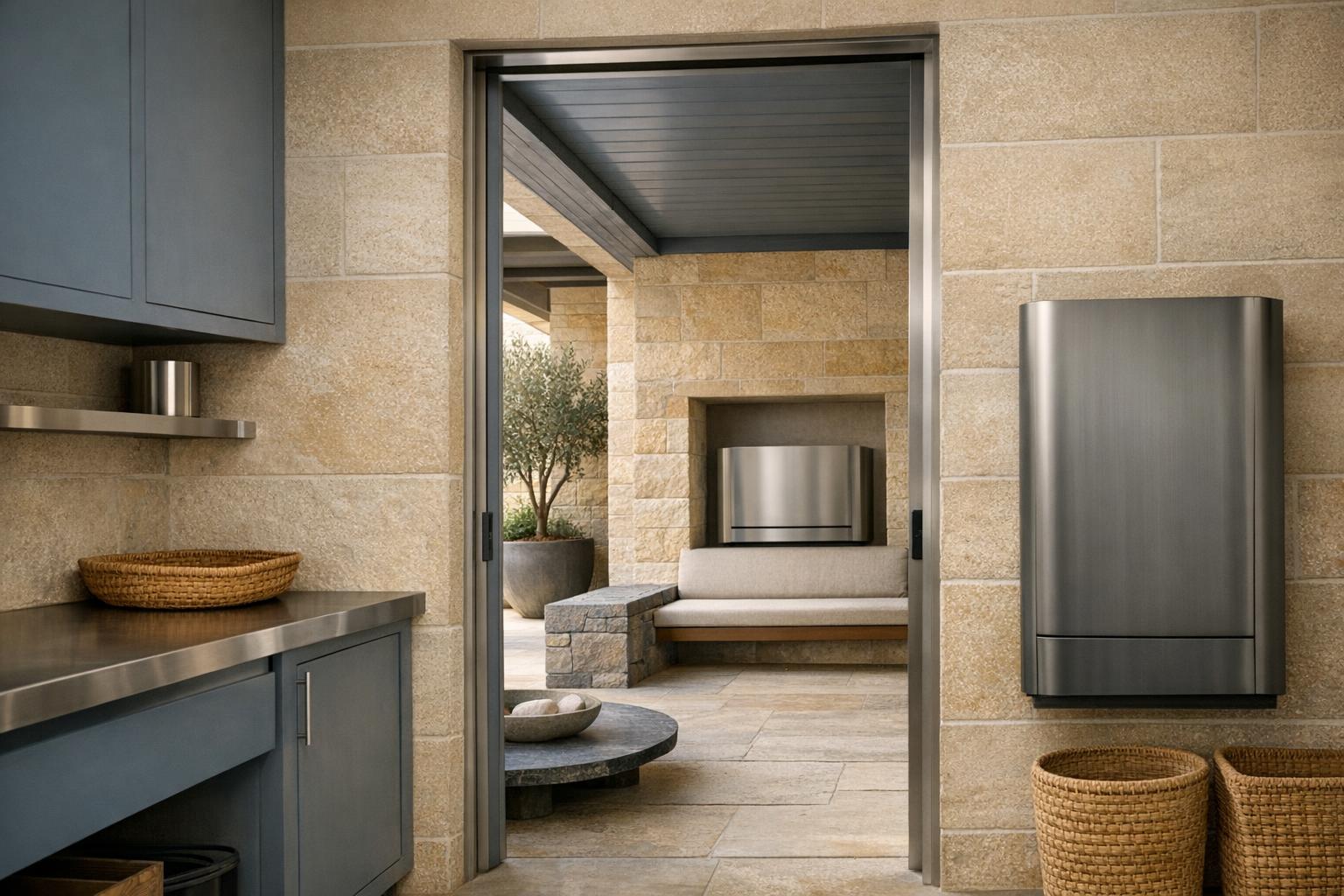
Indoor and outdoor tankless heaters should be treated as distinct approved configurations. A sheltered wall is not automatically an acceptable outdoor location, and an outdoor label does not authorize bringing a gas unit inside. Start with the exact manufacturer's permitted uses, then have a qualified installer assess the proposed location under local requirements. Space, climate, service access and fuel supply all affect the decision. Appearance or a shared model-family name is not enough.
Confirm what the exact unit is approved for
A listing may name indoor, outdoor or an approved indoor-and-outdoor configuration. Retain that wording and the complete model designation, then verify it against the manufacturer's manual. Some product families require particular accessories for different configurations. Do not assume those accessories are included or that every version in the family supports the same arrangement.
Our catalog records stated placement and keeps portable camping equipment distinct from permanent household candidates. A propane-powered portable water heater is not automatically a whole-house outdoor heater. Similar pictures and shared fuel do not establish the same intended use. The choosing guide explains the identity checks to make before comparing scores. If a listing is ambiguous, ask the manufacturer or installer to resolve it rather than treating the uncertainty as a flexible feature. Installation suitability cannot be inferred from a marketplace category alone.
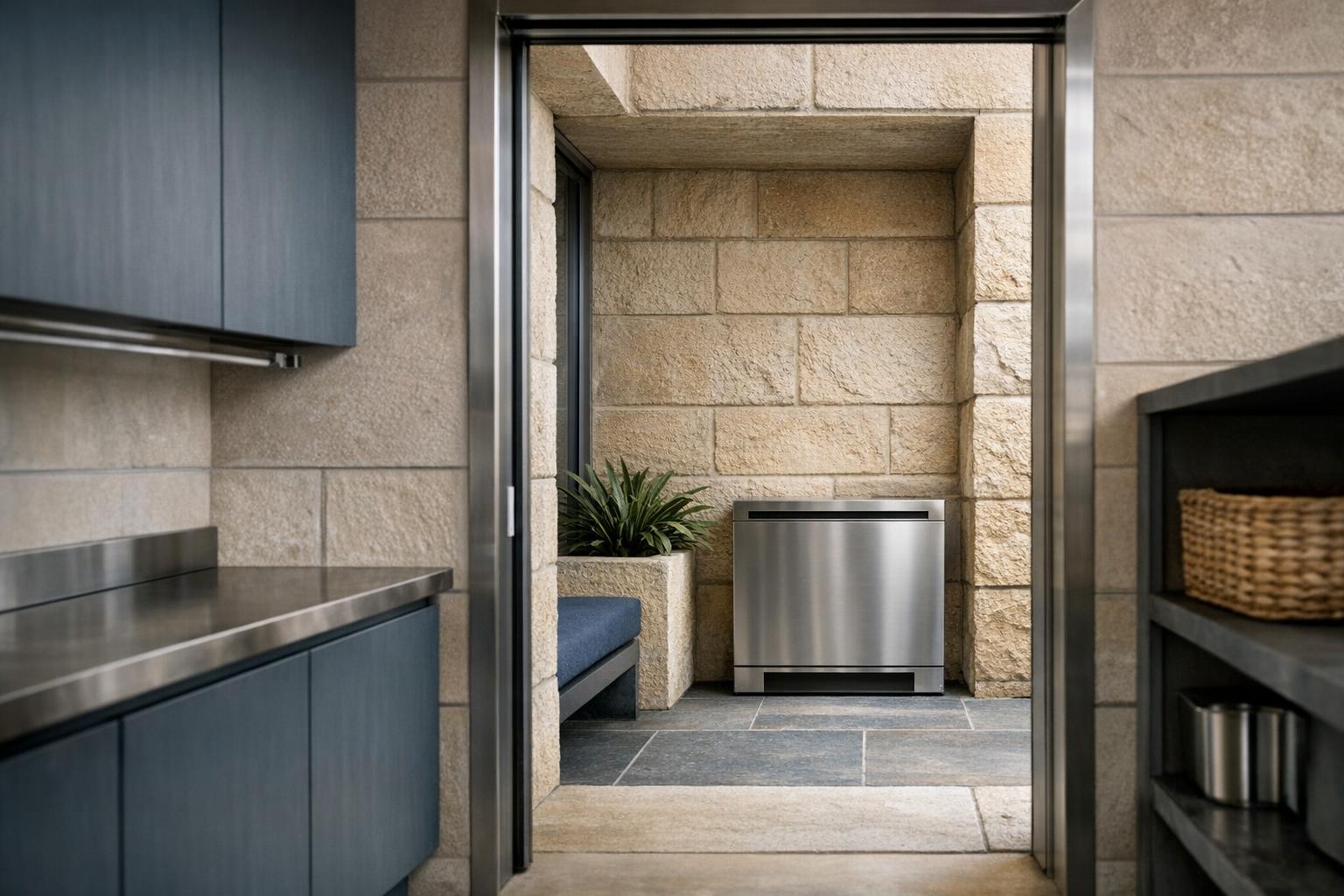
Indoor gas equipment needs professional vent planning
An indoor gas installation must address combustion products and all requirements in the exact manual and local code. A licensed installer evaluates the venting arrangement, combustion air, clearances and surrounding space. We do not give instructions for vent routes, materials, sizes or terminations. An existing vent from another appliance is not evidence that it can be reused.
Indoor placement also raises practical questions about service access, noise expectations, condensate where applicable and the route to the fixtures. A utility closet that physically accommodates the enclosure may not provide the clearances or access required for a compliant installation. Get those answers before purchasing. Our condensing guide describes why the gas-heater design adds another layer to the discussion. Location and condensing status are separate attributes: neither can be safely derived from the other or from a generic stock photograph.
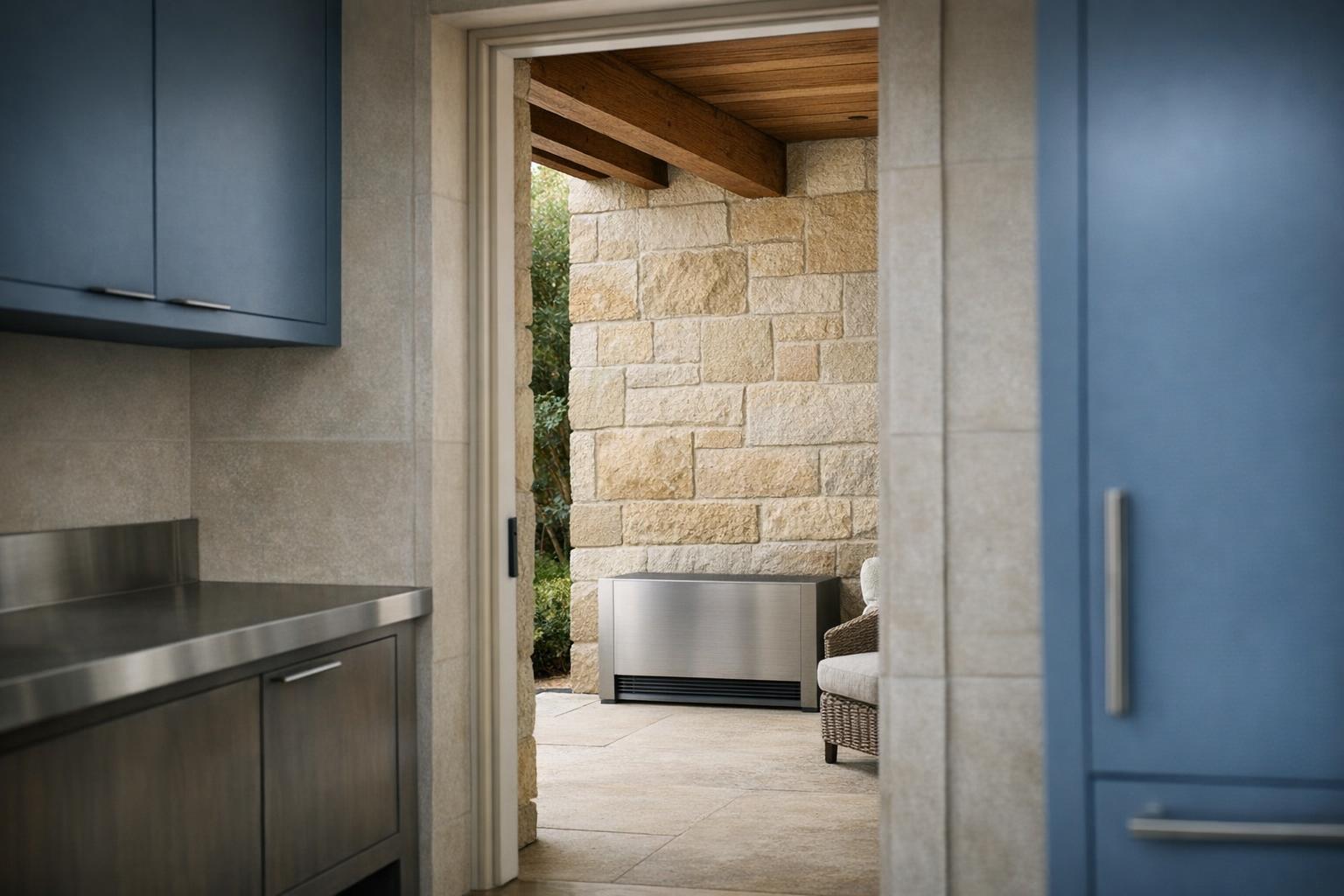
Outdoor placement does not erase installation constraints
An outdoor gas unit still has model-specific restrictions, including where it may be placed relative to the building and its openings. A roof, enclosure or sheltered recess can change the installation context. Do not treat an online description of a convenient wall location as a safety approval. The installer must evaluate the exact arrangement using the manual and local requirements.
Climate deserves particular attention. Ask what the manufacturer's freeze-protection claims cover, what conditions and utilities they depend on, and what happens during an interruption. A claim about internal components should not be assumed to protect every connected pipe. We do not provide a winterization procedure; the exact manual and service professional govern that work. Our natural-gas-versus-propane guide addresses the separate fuel question. Having propane available outdoors does not by itself make an outdoor unit suitable for that property or for every season.
Consider the plumbing distance and everyday experience
Tankless describes heating on demand, not instantaneous delivery at a remote tap. Moving the heater outside may alter the plumbing route and delivery delay. Ask the installer how the proposed location affects the fixtures you use most often and whether a recirculation strategy is appropriate for the particular model and plumbing. Do not assume a recirculation pump or required controls are included.
The same flow-versus-rise sizing applies in either location. Outdoor placement does not increase the heating capacity, and indoor placement does not remove the effect of cold incoming water. Our sizing guide explains why a large maximum GPM figure cannot stand alone. Discuss the expected simultaneous demand and winter inlet conditions for each proposal. Also ask where routine service can be performed comfortably and what access must remain clear. An installation that is awkward to service can become a recurring inconvenience even when the enclosure fits neatly.
Compare complete, location-specific proposals
Ask for separate scopes if both locations are being considered. Each should identify the exact model, fuel, approved accessories, professional work and any required permits. Keep purchase price separate from the cost of making the proposed location usable. An apparently cheaper outdoor heater may not create a cheaper project once the actual site constraints are included, and the reverse can also be true.
Our indoor-natural-gas and outdoor-propane comparators answer deliberately different shopping questions. They are not a controlled experiment proving that one location is superior, because fuel and eligible model sets differ. Use them only after the applicable requirements are known. Read the installation overview before comparing contractor quotes and confirm the current item before purchase. Final selection and all gas, electrical, venting and plumbing work belong to qualified professionals following the exact manufacturer documentation and applicable local requirements.